What DFM Can (and Can’t) Do for You
Design for Manufacturing (DFM) is one of the most effective ways to reduce production costs and get to market faster. By optimizing a product's design for manufacturing from the start, you can avoid common pitfalls that lead to delays, rework, and quality issues.
But DFM isn't a magic wand. It's a collaborative process that works best when everyone understands its capabilities and its limits. Let's break down what DFM can do for your project, and where it falls short.
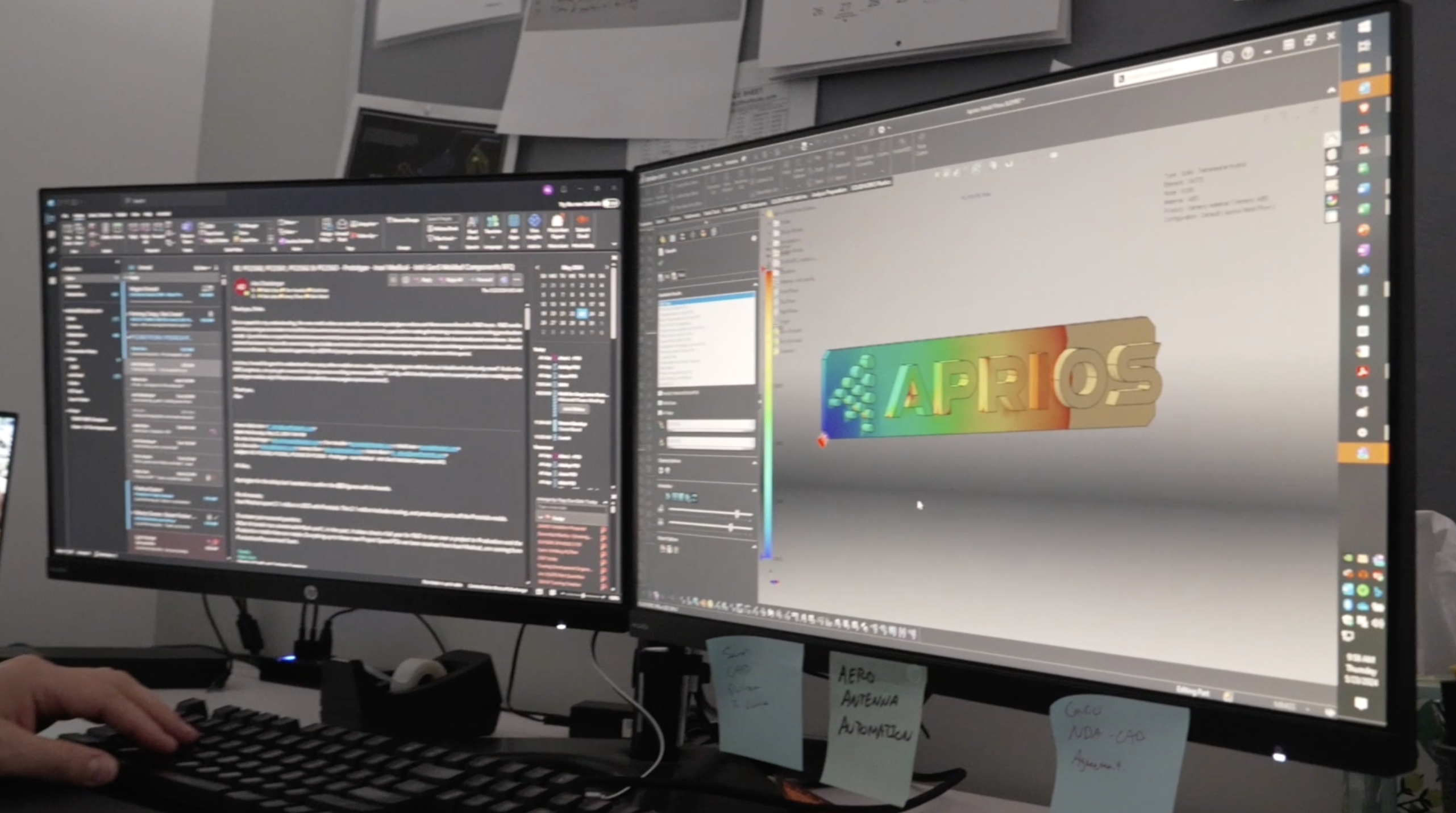
DFM's Core Capabilities
A good DFM process focuses on practical changes that have a real impact on the production floor.
Simplify Part Design and Ensure Consistency
Complex part designs often lead to complex and expensive molds. By simplifying geometry where possible, you can reduce tooling costs and improve cycle times. For example, opting for a straightforward design instead of one with intricate undercuts can eliminate the need for side-actions or lifters in the mold, making it cheaper to build and run.
DFM also emphasizes maintaining a uniform wall thickness. This simple practice helps prevent common molding defects like warping, sinking, and incomplete filling. Consistent walls promote even cooling and reduce material stress, leading to more stable and reliable parts.
Avoid and Resolve Failure Points
Sharp corners are a common source of stress concentration in plastic parts, which can lead to cracks or failure in the field. A DFM review will identify these areas and recommend adding fillets (rounded corners) to distribute stress more evenly. This small change can significantly improve a part's durability.
DFM also helps eliminate tooling pitfalls. Features like undercuts prevent a part from being ejected from the mold without extra mechanisms, which add cost and complexity. By designing features like snap-fits to work without requiring additional mold actions, you can streamline production and reduce tooling costs.
Enhance Part Strength and Ease of Assembly
Adding strength to a part doesn't always mean adding more material. Instead of increasing wall thickness, DFM often involves adding strategically placed ribs to provide rigidity. This approach keeps the part lightweight and reduces material cost while still meeting strength requirements.
DFM also considers how parts will be assembled. Features like bosses (cylindrical protrusions for screws or fasteners) can be integrated into the design. A good DFM process ensures these bosses are properly supported by adjacent walls or ribs to distribute stress and maintain durability during assembly and use.
Optimize Material Selection and Usage
Choosing the right material is critical. A DFM review helps match the material to the performance requirements of the part and the manufacturing process. For example, using a high-flow thermoplastic for a thin-walled part ensures the mold fills properly and can help reduce cycle times. For an additive manufacturing process, a different resin might be chosen to achieve specific functional or thermal properties.
Understanding the Boundaries of DFM
DFM is a powerful tool, but it's important to understand what it isn't.
-
It's not a substitute for good engineering. DFM enhances the design process, but it can't fix fundamental flaws in a product's core design or function. It works best when paired with thorough engineering and validation.
-
It's not a universal solution. The right DFM choices depend on the manufacturing method, materials, and product requirements. What works for injection molding might not work for additive manufacturing. Every project needs a tailored approach.
-
It won't guarantee a perfect product. DFM minimizes risks and improves manufacturability, but unforeseen issues can still arise during production. Rigorous quality control and testing are still essential.
-
It doesn't replace prototyping. While DFM can reduce the number of design iterations, prototyping is still necessary to test and validate the physical aspects of a design before committing to expensive production tooling.
A Tool, Not a Silver Bullet
Think of DFM as a critical part of your product development toolkit. It provides the manufacturing expertise needed to catch problems early, reduce risk, and create a more efficient production process. It fosters collaboration between designers and manufacturers, helping everyone work toward the same goal: a high-quality product that can be made reliably and cost-effectively.
When you understand what DFM can and can't do, you can use it more effectively. DFM helps you make smart, informed decisions that balance manufacturability with performance. The result is a product that works well and can be made efficiently.
Get a Clearer Path to Production
Ready to see how DFM can improve your design? Our team can provide the feedback and partnership you need to avoid pitfalls, reduce costs, and launch your product faster.