SECONDARY OPERATIONS
Hands-on partners,
every step of the way
From machining and bonding to assembly and finishing, our secondary operations ensure your products are completed to the highest standards.
What are Secondary Operations?
Secondary operations in injection molding refer to the additional processes performed on molded parts after the primary molding process to enhance their functionality, appearance, or assembly readiness. Our work at Aprios spans many services, and we keep looking for new ways to serve the people who rely on us.
Design for Assembly (DFA)
Key DFA Considerations
Part reduction means designing products with fewer components to make assembly faster and cleaner. For instance, combining several brackets or supports into one molded piece cuts down both parts and assembly time.
Design parts that are easy to handle and orient correctly. Little design choices, like adding a chamfered edge, make it easier for parts to sit right where they’re supposed to during assembly.
Using the same parts and fasteners wherever possible keeps things consistent and efficient. For example, relying on one screw or bolt type across the product means fewer tools and faster assembly.
Create modular assemblies to facilitate easier and faster assembly. An example would be something like designing sub-assemblies that can be pre-assembled separately and then easily snapped or bolted together during final assembly.
Incorporate self-locating features like dowel pins and corresponding holes to ensure perfect alignment during assembly. Error-proof your designs with keyed slots or tabs, allowing components to be assembled only in the correct orientation. From initial concept to final product, our secondary operations enhance the reliability and efficiency of your production process.
Fasteners should be quick to use and hold up under pressure, like swapping screws for snap-fits or clips, which can shave time off assembly and skip the extra tools.
What Our Secondary Operations Can Do for You
Adding secondary operations helps supply chain managers and engineers hit tighter specs, boost part performance, and shorten lead times. These steps make sure molded parts meet tight specs and quality goals while keeping production smooth and mostly in-house.
Bonding
At Aprios, we join plastic parts in ways that actually last, matching each method to the material and purpose — the bond stays solid long after production.
-
Spin WeldSpin welding joins thermoplastic parts through friction created by rotation, resulting in a clean, durable bond — no adhesives or extra fasteners needed. Spin welding suits high-volume runs and parts that need dependable joins.
-
Ultra SonicUltra sonic welding uses sound vibrations to fuse plastic parts to make a clean, tight joint without glues or screws. Ultra sonic works well for detailed builds and large production runs.
-
Thread Inserts
Thread inserts add durable, wear-resistant threads to plastic parts. We use heat staking or ultra sonic methods to lock the parts in place and strengthen each finished piece.
-
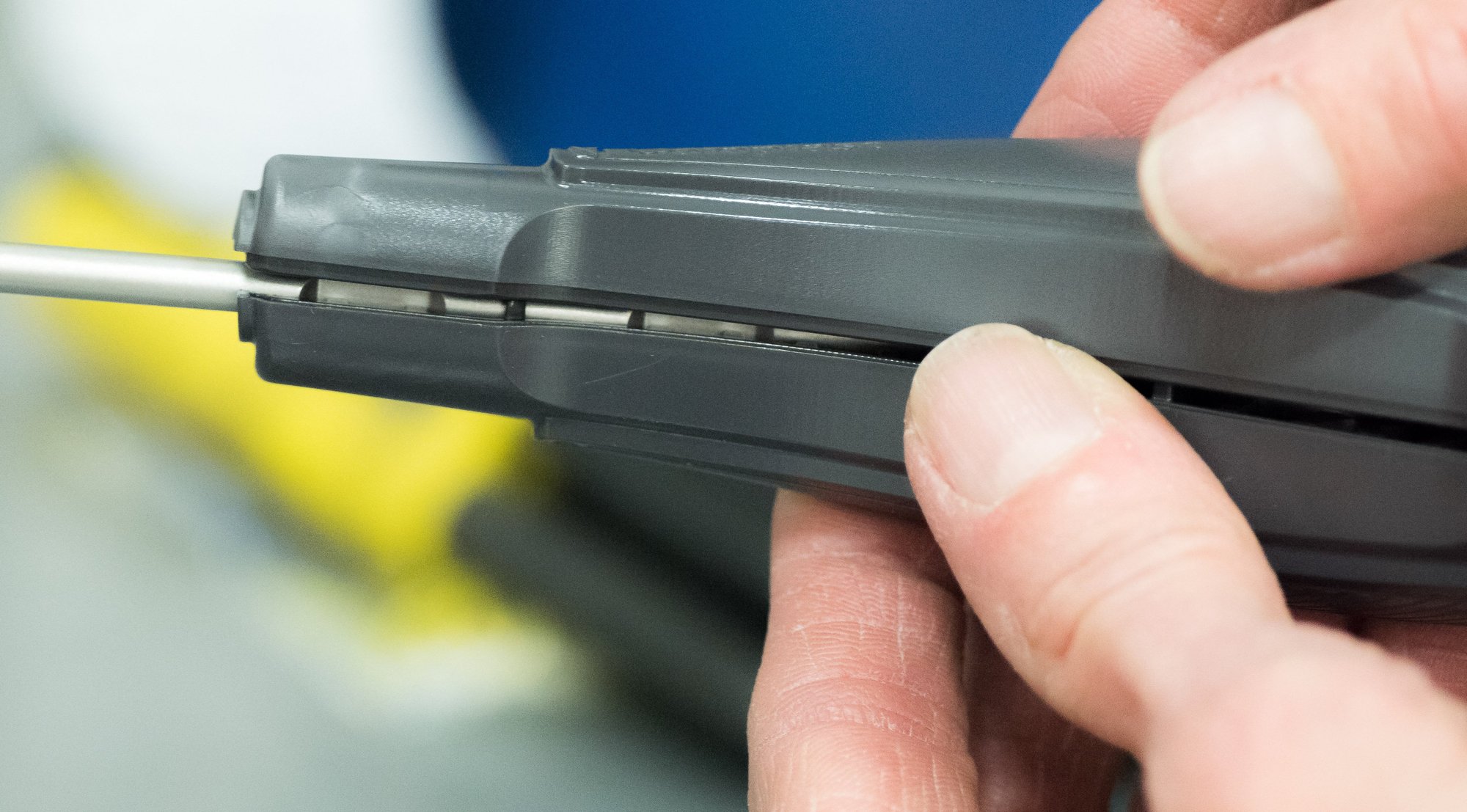
Heat StakingHeat staking uses steady heat and pressure to reshape plastic around a metal insert or part — it’s a reliable way to secure metal to plastic and keep assemblies solid for the long run.
Machining
Our machining services, including drilling, tapping, and milling, ensure precise modifications to plastic components. We run advanced CNC equipment to keep every cut consistent and accurate, which make it possible to build custom parts that match tight design specs.
-
Drill Tap
Drill tap work forms threaded holes in plastic parts for strong, clean fastening. The combined step of drilling and tapping saves time and keeps each thread uniform, ready for inserts or direct screws.
-
Milling
Milling trims away what’s not needed so the part ends up with the right shape and features. Our milling setups cut clean, hold tight tolerances, and keep runs consistent, even on small or custom jobs.
-
CNC Mill
CNC milling gives us the control to shape plastics with accuracy and repeat the same results run after run. They handle tricky shapes and fine details without rough edges, keeping each part uniform from the first cut to the last.
And a whole lot more including....
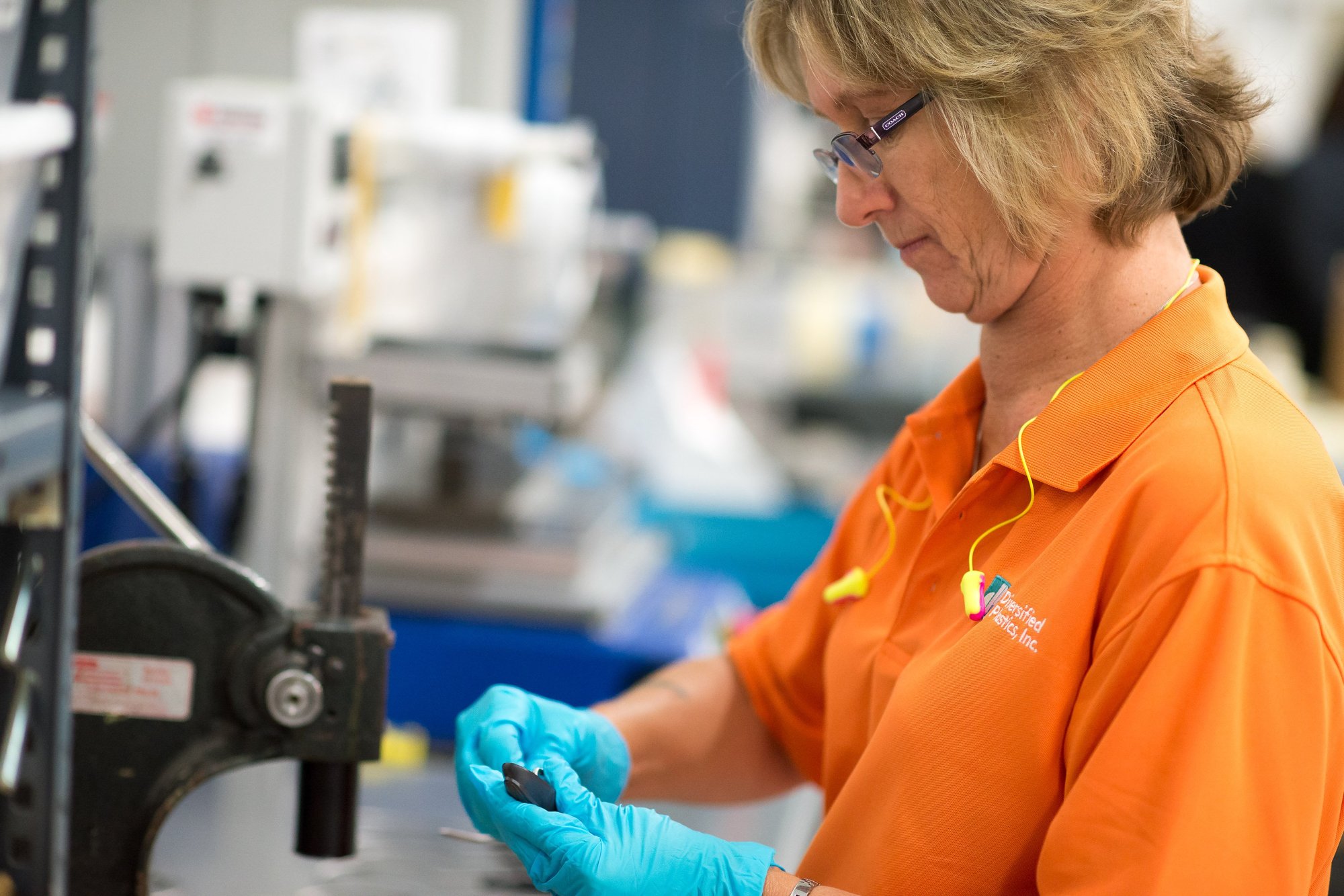
Our assembly line is built for range, from straightforward builds to detailed, multi-part assemblies. We handle mechanical, electronic, and plastic assemblies, checking dimensions and function as we go to keep everything within spec. For components that need extra control, we work in clean-room conditions.
This setup keeps contaminants out and ensures every part meets medical and electronic standards for safety and reliability. We handle sub-assemblies, testing, and final fit checks all in one space, so nothing leaves until it’s right.
Once parts come off the line, we fine-tune them for look and performance. After molding, parts don’t always come out ready to go. Edges get cleaned up, surfaces are smoothed, maybe a coat of paint gets added. The goal’s simple — get each part looking right and working the way it should.
Aprios handles your packaging with care, so your products stay protected on the way out and wherever they’re stored.
By handling all the packaging alongside our other secondary operations, we keep everything under one roof and cut down on extra suppliers.
With the Aprios pad printing services, give your plastic parts their final touch with clean, detailed graphics, logos, or text that stay sharp through handling and use. The process works across flat, curved, and textured surfaces, making it a dependable choice for branding, safety markings, instructional labels, and decorative details that need to hold up over time.
Hot stamping adds metallic or colored foil to plastic parts for a clean, lasting finish. It’s often used for logos or markings and leaves a clean finish that stands up to handling.
Our medical wash process removes any trace of residue or debris so parts are ready for sterile environments. Each batch runs through controlled cleaning in our clean room to meet medical-grade standards.
Frequently Asked Questions
-
What types of post-processing services do you offer?
We handle a full range of post-processing work — machining, bonding, sonic welding, and assembly. Each step is done to spec so your parts arrive finished, tested, and ready to go.
-
Can you handle complex assemblies?
Yes. Our team builds and checks multi-part assemblies every day, focusing on tight fits, clean joins, and reliable operation so everything lines up as it should.
-
Can you handle packaging once the parts are finished?
Yes. Packing’s done with clean hands and the right materials to keep every part safe and dust-free until it’s needed.
-
What are the benefits of your secondary operations?
Our secondary operations tighten tolerances, speed up turnaround, and keep work under one roof so parts move smoothly from molding to final finish. You get steady quality from start to finish, fewer vendors to juggle, and parts that come off the line ready to assemble or ship out without extra steps.
-
What do secondary manufacturing processes include?
Secondary processes take parts that are molded or formed and fine-tune them. At Aprios, a custom manufacturing company, these include machining, bonding, and assembly — each step improving precision, performance, and visual quality across the full production cycle.
-
How do secondary operations make a difference in product quality?
Secondary operations enhance both form and function. Processes like deburring, pad printing, heat staking, and ultrasonic welding help parts fit better, look cleaner, and hold up longer — clear advantages over basic finishing methods.
-
How does Aprios keep secondary operations up to industry standards?
At Aprios, we validate every part through our controlled manufacturing process that aligns with all customer and regulatory standards. Our secondary manufacturing and plastic injection teams track, inspect, and document the process to maintain quality, repeatability, and compliance across all types of manufacturing processes.
Design for Assembly: A Guide for Engineers & Product Designers
Streamline your builds, reduce costs, and boost reliability—starting at the design stage.
WHAT'S INSIDE:
- Core DFA principles like part reduction, modularity, and fastener elimination
- How to design parts for easy, error-proof assembly
- Strategies for cost reduction and material efficiency
- Tips for sustainability, disassembly, and repair
- Common DFA mistakes and how to avoid them