5 min read

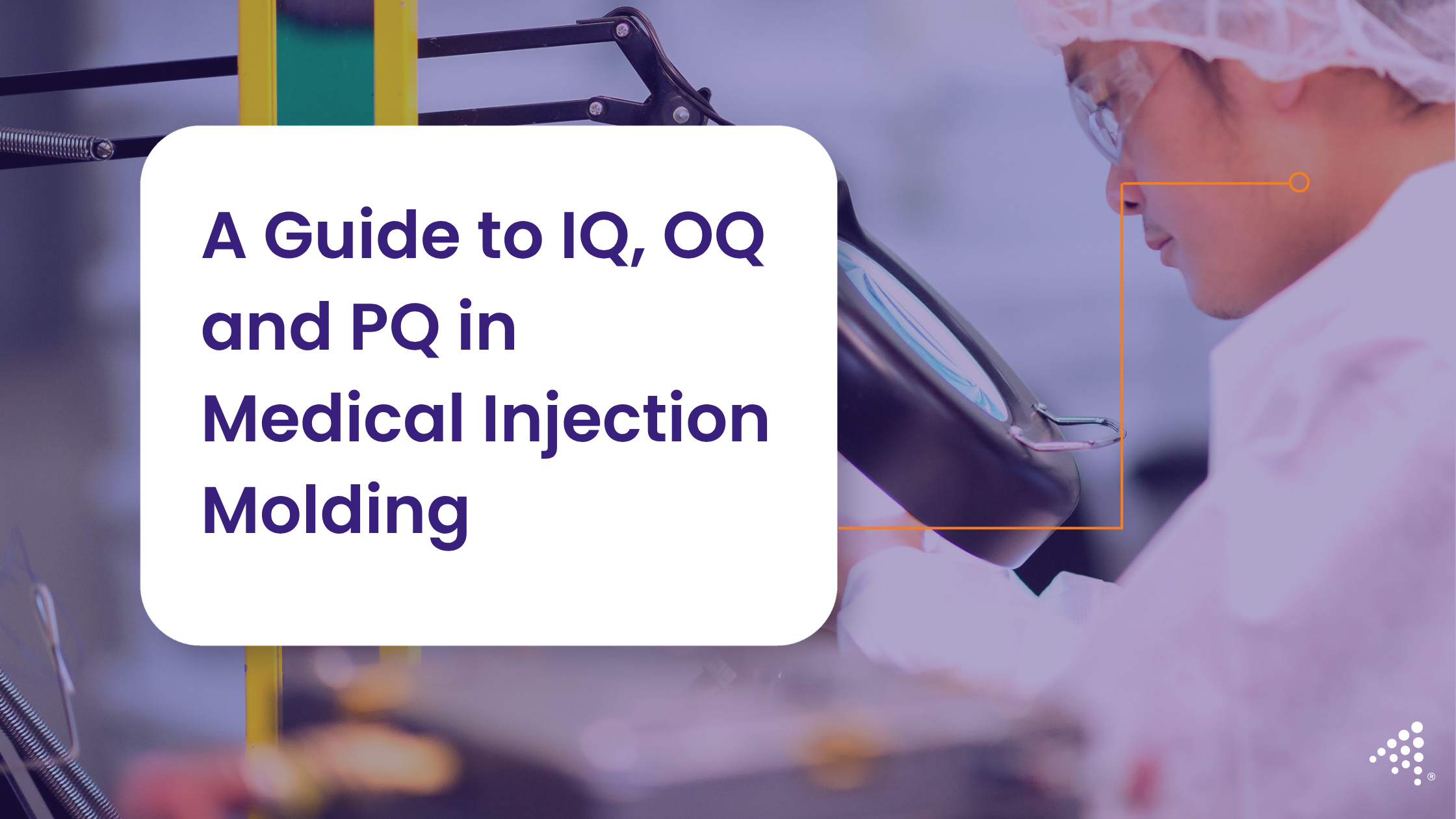
Understanding IQ, OQ, and PQ: Essential Steps in Medical Injection Molding

Understanding IQ, OQ, and PQ: Essential Steps in Medical Injection Molding
9:17

Achieving a consistent, reliable, and high-quality manufacturing process is the result of a deliberate and systematic validation process. For industries such as the medical device sector, this validation is a regulatory requirement and the bedrock of quality assurance. The framework for this validation is known as Installation Qualification (IQ), Operational Qualification (OQ), and Process Qualification (PQ). This three-phased approach provides a structured method to demonstrate that manufacturing equipment and processes are installed correctly, operate as intended, and consistently produce products that meet all predetermined specifications.

Understanding the intricacies of IQ, OQ, and PQ is fundamental for any company involved in producing plastic injection-molded products, especially those intended for medical use. This structured validation process ensures that every component is manufactured under controlled conditions, providing the necessary evidence to satisfy regulatory bodies like the Food and Drug Administration (FDA) and guaranteeing that the final product is safe and effective. This article will explore the specific steps involved in each phase of this vital qualification journey.

Read More About Top Plastics for High-Quality Injection Molding

Installation Qualification (IQ): The Foundation of a Validated Process

The first step in the validation process is Installation Qualification. The primary goal of IQ is to verify and document that all key aspects of the process equipment and ancillary systems are installed or modified per the manufacturer's recommendations and the user's requirements. It is a thorough check to confirm that the equipment has been delivered and installed correctly and that all the necessary supporting infrastructure is in place and properly connected. Think of it as creating a detailed blueprint and checklist to confirm that everything is where it should be before you even turn the machine on.

Key Steps in the IQ Phase:

The IQ process involves a meticulous review of the equipment and its installation. This typically includes several key activities:

  1. Verification of Equipment and Documentation: The first step is to confirm that the correct piece of equipment has been received. This involves checking the equipment's make, model, and serial number against the purchase order and design specifications. All accompanying documentation, such as user manuals, maintenance guides, and calibration certificates, must be present and accounted for.

  2. Inspection of Utilities and Environment: The equipment doesn't operate in a vacuum. The IQ process involves verifying that all required utilities, such as electrical supply, compressed air, and water lines, are properly connected and meet the manufacturer's specified requirements. The physical environment is also assessed to ensure it meets operational needs, considering factors like temperature, humidity, and cleanliness, which can be especially important in a cleanroom setting.

  3. Software and Control System Installation: For modern manufacturing equipment, software is as important as hardware. During IQ, the installation of all control software is verified. This includes confirming that the correct versions are installed and that any required security and access controls are in place and functional.

  4. Development of Maintenance and Calibration Plans: A forward-looking component of IQ is the formal documentation of maintenance schedules and calibration procedures. This establishes the framework for keeping the equipment in a validated state throughout its operational life.

Upon the successful completion of all IQ checks, a formal report is generated. This document provides a permanent record that the equipment has been properly installed and is ready for the next phase of qualification.

Validating a Medical Device Process?

We offer Medical Injection Molding, injection molding tooling, and precise tooling solutions to ensure FDA compliance.


Operational Qualification (OQ): Defining the Operating Limits

Once IQ has confirmed that the equipment is installed correctly, the next phase, Operational Qualification, begins. The purpose of OQ is to challenge the equipment and determine the limits of its operating parameters. It involves testing the equipment to verify that it can operate according to its specifications under real-world conditions. During this phase, the goal is to establish the upper and lower operational limits for all the variables that can affect the quality of the final product. This is where the process window is defined.

Key Steps in the OQ Phase:

The OQ phase is an active testing stage that pushes the equipment to its boundaries to find the optimal operating parameters.

  1. Testing of Key Functions and Controls: The OQ protocol involves the systematic testing of all machine functions. This includes alarms, safety shut-offs, and control buttons. For an injection molding machine, this would mean testing the clamp movement, injection unit, and ejection system to confirm they all function as expected.

  2. Developing a Process Parameter Window: This is the core of OQ. A series of experiments is conducted to identify the acceptable operating ranges for all critical process parameters. For plastic injection molding, these parameters would include melt temperature, injection pressure, injection speed, holding pressure, and cooling time. The tests are designed to find the "worst-case" or edge-of-failure conditions to establish a robust processing window.

  3. Challenge Testing: Beyond standard operation, OQ involves challenge tests that simulate potential process deviations. This could include testing the system's response to a power interruption or an emergency stop to ensure it can recover predictably.

The result of the OQ phase is a documented and proven set of operating parameters that are known to produce acceptable parts. This information is summarized in the OQ report, which provides evidence that the equipment can perform as required and defines the validated range of settings to be used during routine production. This process is an essential part of ISO 13485 Injection Molding and FDA Injection Molding, ensuring that medical injection molding and plastic injection molding services consistently meet quality and regulatory standards.

Process Qualification (PQ): Demonstrating Consistent Performance

The final phase of the validation trinity is Process Qualification. With the equipment installed correctly (IQ) and the operating parameters defined (OQ), PQ is designed to demonstrate that the process, under normal operating conditions, will consistently produce a product that meets all its quality attributes. This phase is about proving that the process is stable, repeatable, and capable over an extended period.

Key Steps in the PQ Phase:

PQ is essentially a trial run of the full production process, closely monitored and documented to confirm its consistency.

  1. Simulated Production Run: The PQ phase involves executing a series of production runs that are representative of normal manufacturing. These runs use the established operating parameters from OQ and are typically performed over multiple shifts and sometimes with different operators to capture real-world variability.

  2. Extensive Product Testing: Throughout the PQ runs, a significant number of parts are collected at regular intervals. These parts are then subjected to rigorous testing to verify that they meet all predetermined specifications. This includes dimensional measurements, functional testing, and visual inspection.

  3. Process Capability Analysis: The data collected during the PQ runs is analyzed using statistical tools to determine the capability of the process. Metrics like Cpk (Process Capability Index) are often used to quantify how well the process is centered within the specification limits and how much natural variation exists.

  4. Final Documentation and Approval: Once the PQ runs are complete and the data demonstrates that the process is stable and capable, a final PQ report is prepared. This report summarizes the entire validation effort and serves as the official record that the manufacturing process is validated and ready for commercial production.

Successfully navigating the IQ, OQ, and PQ processes is a thorough and demanding undertaking, but it is indispensable for ensuring product quality and meeting regulatory expectations. It provides the documented evidence that a manufacturing process is well-controlled, reliable, and capable of consistently delivering parts that meet the highest standards.

Looking for End-to-End Manufacturing?

From DfM services to secondary manufacturing processes, we deliver complete, FDA-ready solutions.


Conclusion

At Aprios, we have extensive experience in all aspects of process validation for custom plastic injection-molded components. We partner with our clients to navigate the complexities of IQ, OQ, and PQ, ensuring that their manufacturing processes are robust, repeatable, and fully documented to meet the stringent requirements of the medical device industry and beyond. As a design and manufacturing company, we provide design for manufacturing services, injection mold design services, and Custom Injection Molding Solutions supported by ISO 13485 Injection Molding and FDA-compliant manufacturing.

If you are ready to bring your product to life with a validated and reliable manufacturing process, contact our team to learn how we can support you from concept to validated production.

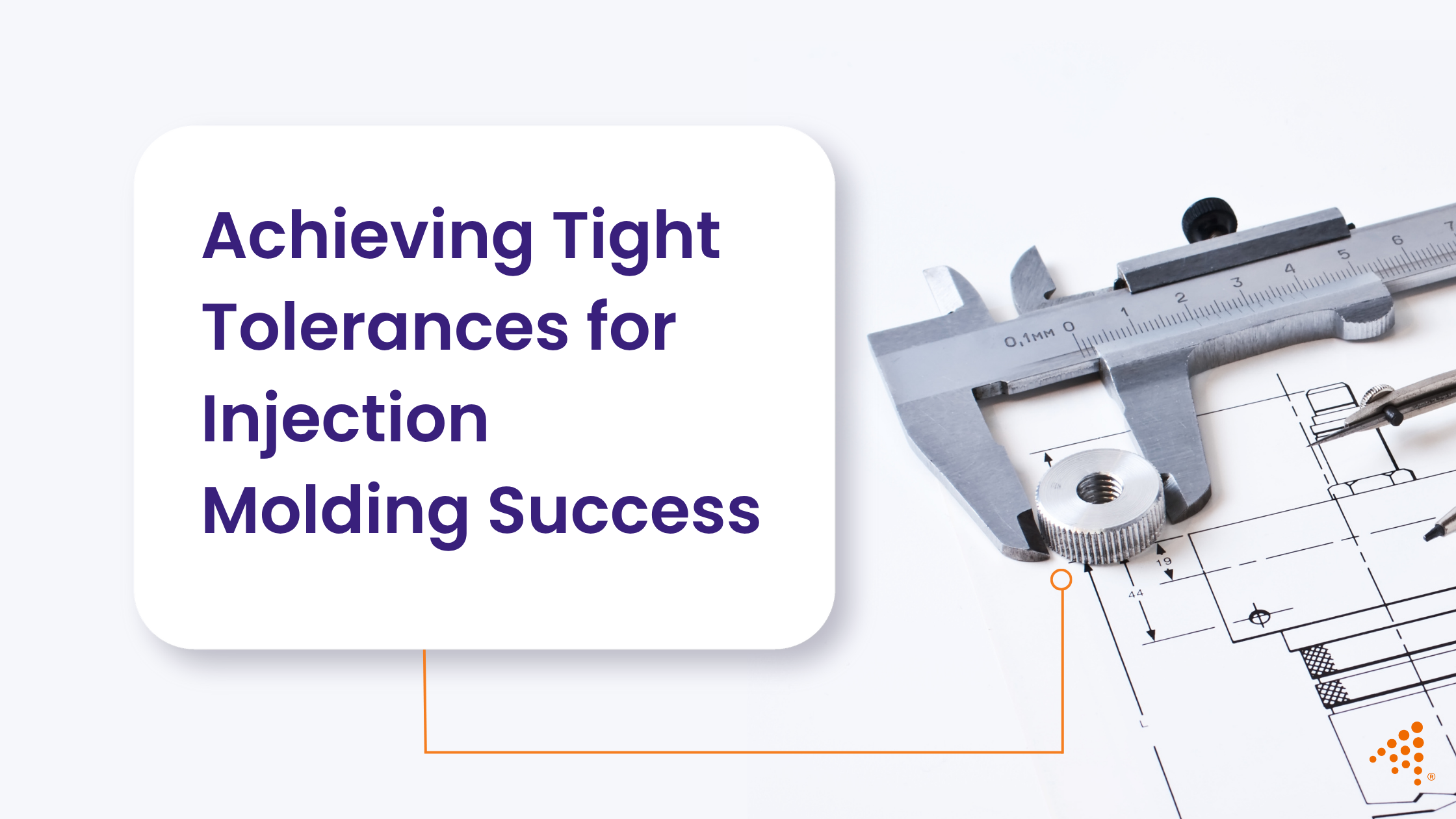
Achieving Tight Tolerances for Injection Molding Success

Achieving Tight Tolerances for Injection Molding Success

Achieving the perfect balance between a precisely designed part and a consistently manufacturable product is a fundamental challenge in plastic...

The Case for Reshoring in Medical Device Manufacturing

The Case for Reshoring in Medical Device Manufacturing

For decades, the logic of offshoring manufacturing seemed undeniable. But the seismic supply chain shocks of recent years have exposed the hidden...
Ensure Quality with Tailored Quality Control Plans

Ensure Quality with Tailored Quality Control Plans

At Aprios, we prioritize delivering products that not only meet but exceed our customers' expectations. Our quality control (QC) plans are designed...