4 min read

EPX 82: High-Strength Epoxy-Based Resin for Demanding Applications

EPX 82: High-Strength Epoxy-Based Resin for Demanding Applications
EPX 82: High-Strength Resin for Tough Applications
7:55

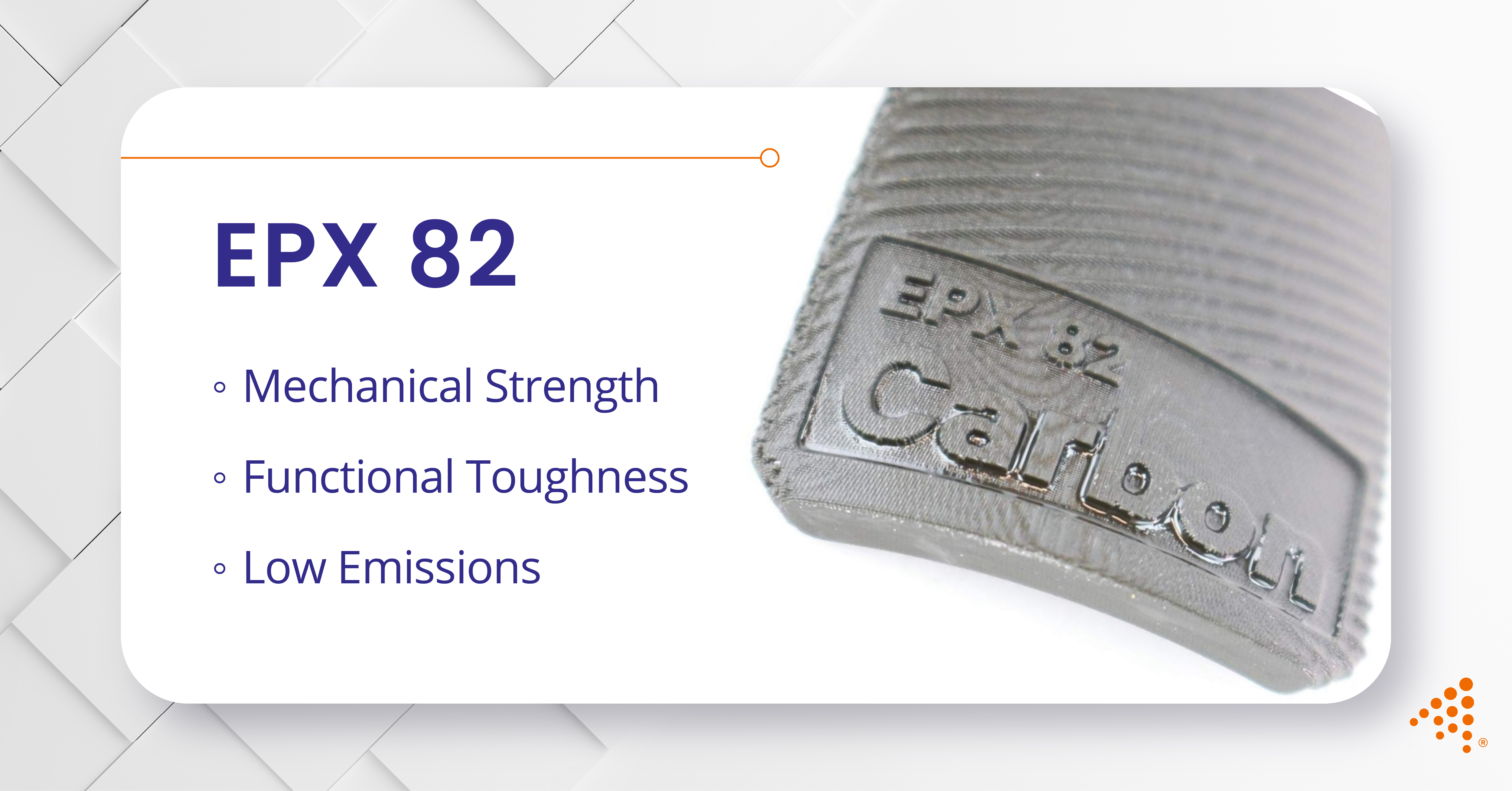
Epoxy 82 (EPX 82) is a high-performance, rigid photopolymer resin developed by Carbon for its Digital Light Synthesis™ (DLS™) technology. This material stands out for its combination of strength, stiffness, and high heat deflection temperature, making it a compelling choice for producing functional parts that must perform under demanding thermal and mechanical stresses. It is frequently used to create components with performance characteristics similar to those of glass-filled thermoplastics, providing a powerful tool for both prototyping and end-use production in industries ranging from automotive to consumer electronics.

What Are the Characteristics of EPX 82?

EPX 82 is engineered to deliver reliable performance where other general-purpose materials may fall short. Its properties make it suitable for parts that require a balance of thermal resistance, structural integrity, and long-term stability.

High-Temperature Resistance

One of the most notable attributes of EPX 82 is its ability to maintain its mechanical properties at elevated temperatures. It features a heat deflection temperature (HDT) of 266°F (130°C), which allows it to function in environments where heat buildup is a concern, such as in electronic enclosures or near automotive components. This thermal stability prevents parts from warping or losing their structural integrity when exposed to moderate heat sources—critical for medical device prototypes and injection molding tooling used in high-performance industries.

Strength and Stiffness

EPX 82 provides impressive mechanical strength and rigidity. With a tensile strength of 84 MPa and a modulus of 2800 MPa, it is capable of handling significant loads without deforming. This makes it an ideal candidate for structural parts, brackets, and housings that demand a high degree of stiffness to maintain their shape and function under stress. This performance profile is often compared to that of a 20% glass-filled PBT, a common material in plastic injection molding services.

Long-Term Stability and Durability

Beyond its immediate strength, EPX 82 is formulated for long-term reliability. It exhibits good resistance to environmental factors and is designed for durability over the product's lifecycle. This stability is critical for parts that are integral to a larger assembly and are expected to perform consistently for years without degradation from mechanical fatigue or environmental exposure.

Accuracy and Fine Feature Resolution

A key benefit of using EPX 82 with the Carbon DLS process is the ability to produce parts with exceptional accuracy and intricate details. The material can resolve fine features, create sharp edges, and achieve smooth surface finishes, making it possible to manufacture complex geometries like connectors and sensor housings that would be challenging or expensive to produce with traditional manufacturing methods.

Leverage our rapid prototyping services for a faster market launch.


What is EPX 82 Used For?

The robust properties of EPX 82 lend themselves to a variety of functional components across several industries. Its blend of thermal and mechanical performance opens the door for creating reliable end-use parts.

Electrical Connectors and Housings

The high stiffness, thermal resistance, and fine feature resolution of EPX 82 make it well-suited for electrical connectors, sockets, and enclosures. These components often require tight tolerances to function correctly and must resist heat generated by electrical currents. EPX 82 provides the necessary dimensional stability and material properties for these demanding roles.

Fluid Management Components

For parts that manage the flow of liquids and gases, such as manifolds, valves, and pump housings, EPX 82 offers good chemical resistance to many common industrial fluids. Its strength and rigidity allow these components to withstand internal pressures and maintain their complex internal geometries for reliable fluidic control.

Structural and Mounting Brackets

In automotive, aerospace, and industrial equipment, brackets and mounting fixtures must bear loads and resist vibration. The high strength and stiffness of EPX 82 make it a suitable material for producing lightweight yet robust structural components that can replace machined metal or glass-filled molded parts in certain situations.

How Does EPX 82 Compare to Traditional Injection Molding Materials?

For companies experienced with design for manufacturing services and plastic molding, understanding how an additive material compares to familiar thermoplastics is crucial. EPX 82 is most frequently compared to glass-filled thermoplastics, particularly glass-filled Polybutylene Terephthalate (PBT) and glass-filled Polyamide 6 (PA6). These materials are chosen for their enhanced strength, stiffness, and thermal performance over their unfilled counterparts.

EPX 82 mirrors the high modulus and heat resistance of these glass-filled polymers. For instance, like 20-30% glass-filled PBT, EPX 82 delivers excellent dimensional stability and rigidity, making it a strong candidate for electrical connectors and housings where tight tolerances are critical. Similarly, it competes with glass-filled PA6 in structural uses where high strength and the ability to withstand mechanical stress are paramount. The key differentiator is that EPX 82 achieves these properties through its inherent polymer chemistry, whereas PBT and PA6 rely on the addition of glass fibers for reinforcement. This allows EPX 82 to provide isotropic (uniform in all directions) material properties, which can be a significant advantage over the anisotropic properties of fiber-filled molded parts.

Read More About Affordable Polystyrene for High-Volume Production

What Are the Drawbacks of EPX 82?

While EPX 82 is a high-performance material, it is important to consider its limitations to determine if it is the right choice for a specific project.

Relatively Low Elongation

With an elongation at break of around 4.5%, EPX 82 is a relatively brittle material. Its stiffness and strength come at the cost of flexibility, meaning it is not suitable for parts that need to bend, snap-fit, or absorb high-impact energy. Parts designed from EPX 82 are more likely to crack than deform if pushed past their mechanical limits.

Thermal Curing Requirement

As a two-part epoxy-based resin, parts printed with EPX 82 require a secondary thermal curing process after printing. This post-processing step is necessary to achieve the material's final mechanical and thermal properties. This adds time and an extra step to the manufacturing workflow compared to some thermoplastic processes, which must be factored into production planning.

Why Choose EPX 82?

Choosing EPX 82 means opting for a material that bridges the gap between rapid prototyping and production-grade performance. It offers the engineering-level properties of a glass-filled thermoplastic while leveraging the design freedom and speed of additive manufacturing solutions. This combination is particularly valuable for creating complex, high-stiffness parts that need to perform reliably under thermal stress. For industries that require robust components, such as automotive, industrial manufacturing, and even in some non-implant medical injection molding contexts, EPX 82 provides a path to produce functional, end-use parts without the time and cost associated with creating injection molds.


Ready to integrate EPX 82 into your design?

At Aprios, we can help you choose the right material for your specific needs. Get in touch for expert advice and solutions tailored to your project!

You can also view our Material Selection tool

EPX 86FR: Flame-Retardant Resin with Exceptional Performance

EPX 86FR: Flame-Retardant Resin with Exceptional Performance

In manufacturing medical devices and electronics, the materials used must meet stringent safety and performance standards. For components that...
EPU 40: Elastic, Tear-Resistant, Energy-Damping Resin

EPU 40: Elastic, Tear-Resistant, Energy-Damping Resin

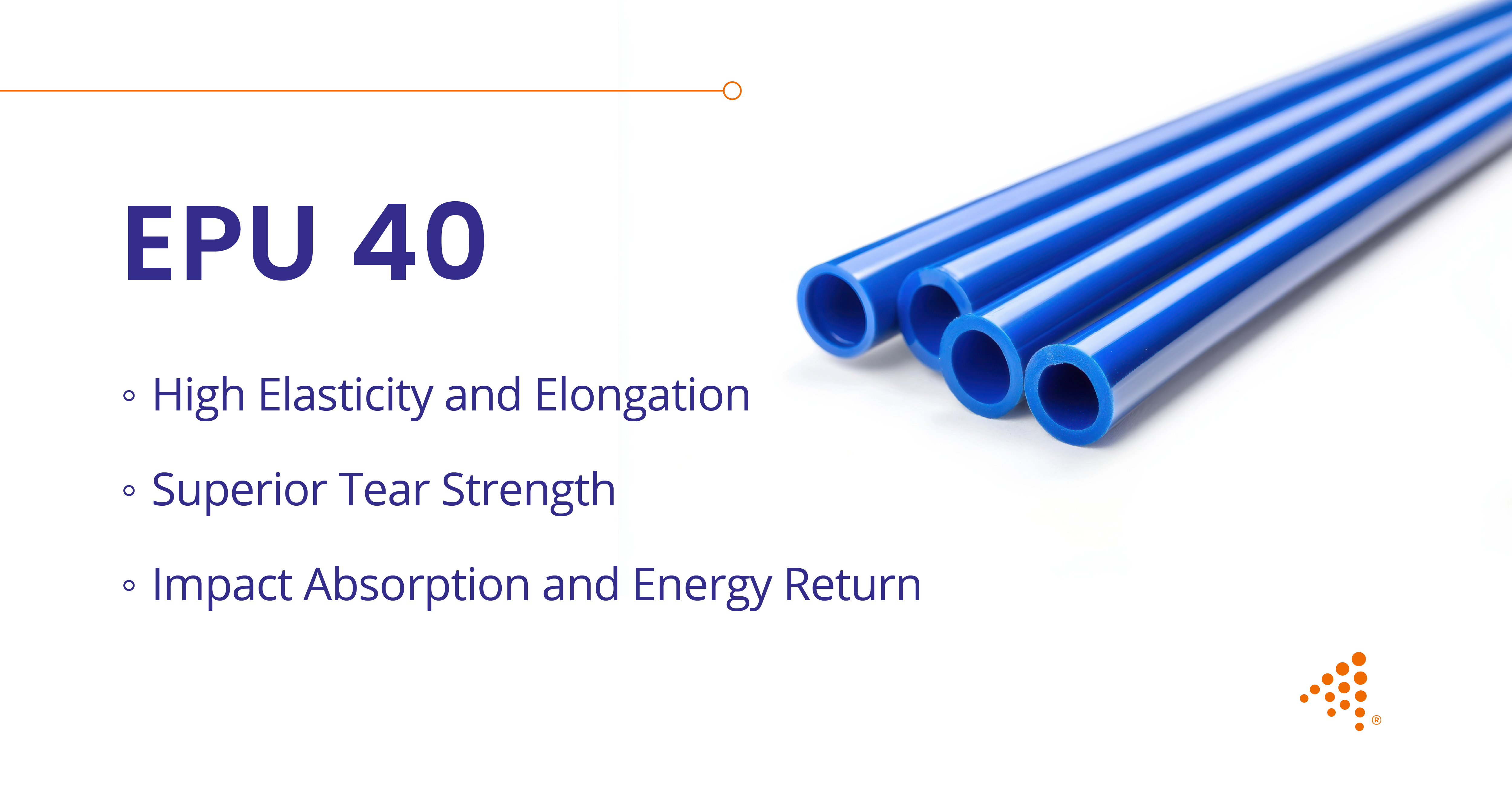
Elastomeric Polyurethane (EPU 40) is a high-performance additive manufacturing material developed by Carbon, renowned for its unique combination of...
EPU 45: The Ultimate Energy-Damping Elastomer for Advanced Manufacturing

EPU 45: The Ultimate Energy-Damping Elastomer for Advanced Manufacturing

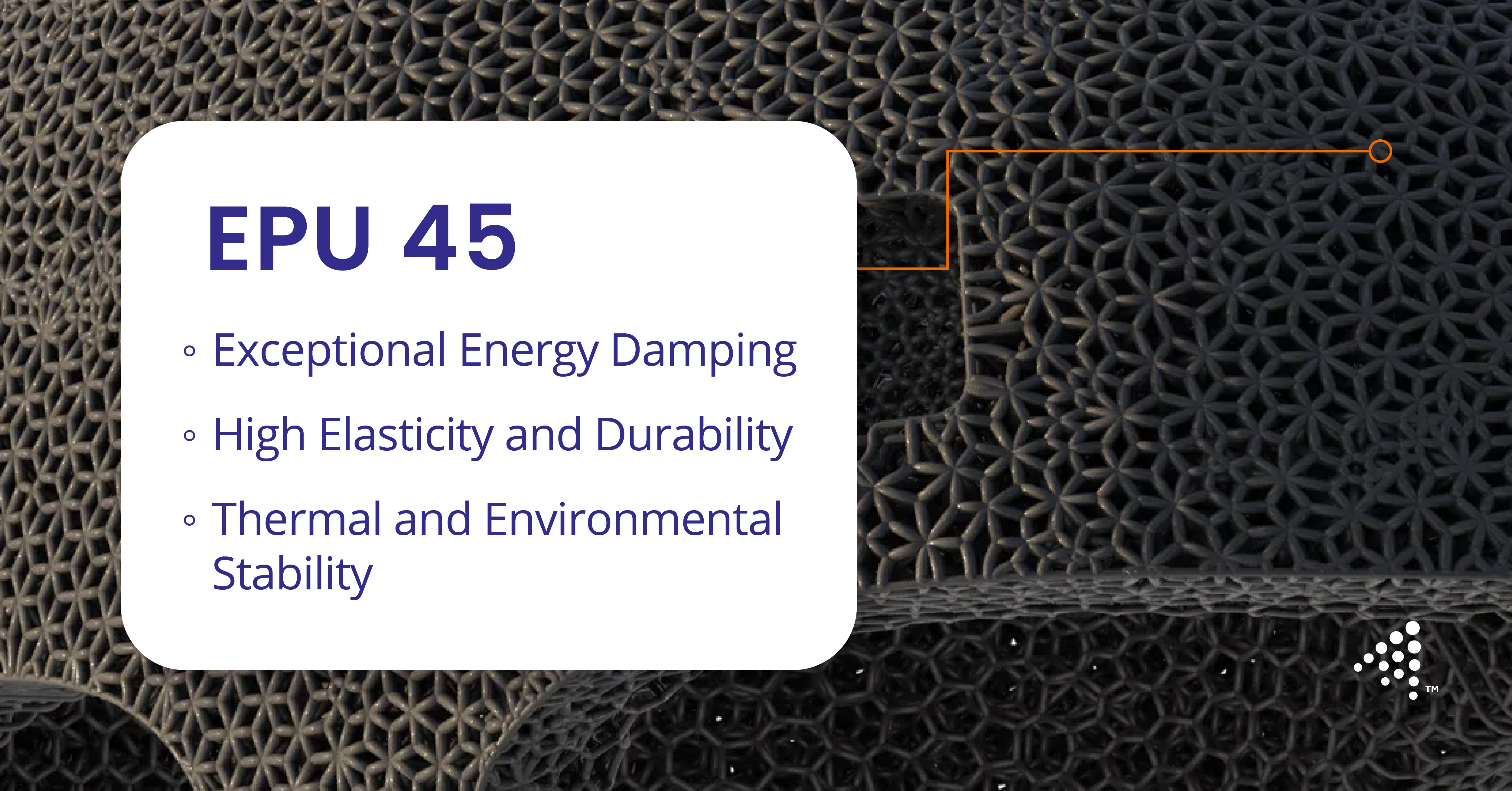
Elastomeric Polyurethane (EPU) 45 is a high-performance photopolymer resin engineered for the Carbon Digital Light Synthesis™ (DLS™) process. This...