4 min read

Tight Tolerance Injection Molding: Material Selection Guide

Tight Tolerance Injection Molding: Material Selection Guide
Tight Tolerance Injection Molding Experts | Aprios
8:05

Achieving exceptionally tight tolerances in injection molded parts is a hallmark of quality and precision, particularly in industries where every micron matters. For manufacturers of medical devices, aerospace components, and other high-stakes products, the ability of a part to consistently meet exact dimensional specifications is a necessity for performance and safety. The foundation of this precision lies in a deep understanding of material science. The choice of plastic resin is one of the most impactful decisions in the entire manufacturing process, directly influencing dimensional stability, consistency, and the ultimate success of the final product.

Read More About Injection Molding Defects: Discoloration – Why It Happens and How to Avoid It

The Critical Link Between Material Properties and Dimensional Control

The inherent characteristics of a polymer play a leading role in its ability to be molded into a part with minimal dimensional variability. Several key properties must be carefully considered during the Plastic Part Design Optimization and Design for Injection Molding (DfIM) phases to successfully produce components with tight tolerances.

Shrinkage Rate

Perhaps the most significant material property influencing final part dimensions is its shrinkage rate. As molten plastic cools and solidifies within the mold, it contracts. This change in volume is an intrinsic behavior of the material, and it must be precisely accounted for in the plastic injection mold design services stage. Different plastics exhibit vastly different shrinkage rates; for instance, amorphous polymers like Acrylonitrile Butadiene Styrene (ABS) and Polycarbonate (PC) generally have lower and more uniform shrinkage rates compared to semi-crystalline polymers like Polypropylene (PP) or Nylon (Polyamide).

Materials with low and consistent shrinkage are inherently easier to control, making them prime candidates for high-precision parts. Liquid Crystal Polymer (LCP), for example, is renowned for its extremely low shrinkage, often less than 0.1%, which contributes to its exceptional dimensional accuracy.

Coefficient of Thermal Expansion

The Coefficient of Thermal Expansion (CTE) describes how a material’s size changes with a change in temperature. A low CTE is highly desirable for parts that must maintain their dimensions in fluctuating thermal environments. Plastics, in general, have a higher CTE than metals, meaning they expand and contract more significantly with temperature shifts.

For components in medical diagnostic equipment or aerospace assemblies, where operational temperatures can vary, selecting a material with a low CTE is vital to prevent binding, misalignment, or failure. High-performance polymers such as Polyetheretherketone (PEEK) and certain grades of LCP offer excellent thermal stability and low CTE values, making them suitable for these demanding environments.

Moisture Absorption

Some plastics are hygroscopic, meaning they absorb moisture from the surrounding environment. This absorption can cause the material to swell, altering its dimensions and mechanical properties. Nylon is a common example of a material that is susceptible to moisture absorption.

For parts requiring unwavering dimensional stability, especially in humid conditions or applications involving fluid contact, it is advantageous to select a material with low moisture absorption. Materials like PEEK, PC, and Polyoxymethylene (POM) (also known as Acetal) exhibit very low moisture uptake, contributing to their reliability in high-precision applications.

High-Performance Polymers Engineered for Precision

When standard plastics cannot meet the stringent requirements of a project, engineers turn to high-performance polymers. These materials are specifically formulated to offer superior mechanical properties, chemical resistance, and, most importantly for this discussion, outstanding dimensional stability.

Polyetheretherketone (PEEK)

PEEK is a semi-crystalline thermoplastic celebrated for its remarkable combination of properties. It maintains its strength and stiffness at elevated temperatures, has excellent chemical resistance, and exhibits very low moisture absorption. Its dimensional stability is exceptional, allowing for the molding of complex parts with very tight tolerances, often within ±0.002 inches (±0.05 mm).

This makes PEEK a premier choice for reusable medical instruments that undergo repeated sterilization cycles, as well as for critical components in aerospace and automotive systems, especially when paired with ISO 13485 Injection Molding standards.

Liquid Crystal Polymer (LCP)

LCPs are a class of aromatic polyesters known for their unique molecular structure, which becomes highly ordered in the molten state. This characteristic leads to extremely low and predictable mold shrinkage, particularly in the direction of flow.

LCPs can be molded into very thin-walled, intricate parts with a level of precision that is difficult to achieve with other resins. They also offer a high service temperature and excellent chemical resistance, making them ideal for small, complex connectors and components in Medical Device Prototypes and diagnostic devices.

Polycarbonate (PC)

Polycarbonate is an amorphous thermoplastic that combines high impact strength with good dimensional stability and optical clarity. Its low, uniform shrinkage rate makes it a reliable material for achieving tight tolerances in a variety of applications.

Medical-grade PC is widely used for surgical instruments, IV components, and housings for medical equipment where transparency and durability are beneficial. While not as high-performing as PEEK or LCP in terms of temperature and chemical resistance, PC provides a cost-effective solution for many precision medical and electronic products.

Polyoxymethylene (POM/Acetal)

POM, commonly known by brand names like Delrin®, is an engineering thermoplastic that offers high stiffness, low friction, and excellent dimensional stability, particularly against moisture absorption.

It is often used for precision mechanical components such as gears, bearings, and insulin pens. Its predictable molding behavior and resistance to creep make it a dependable choice for parts that require long-term dimensional integrity under load.

Want Faster Development with Prototypes?

From Medical Device Prototypes to Quick Turn Injection Molding, we provide end-to-end solutions for speed and accuracy.


The Role of Process Control and Mold Design

While selecting the right material is a foundational step, it is only part of the equation. The ability to hold tight tolerances is equally dependent on a meticulously designed mold and a highly controlled injection molding process.

A high-quality mold, built from durable steel, is necessary to withstand the pressures of high-volume production without wear that could affect part dimensions. Features such as gate location and size, runner systems, and cooling channels must be optimized for the specific material being used. Uniform cooling is particularly important, as inconsistent cooling rates across the part can lead to warpage and internal stresses, compromising dimensional accuracy.

Furthermore, a disciplined and data-driven approach to the injection molding process, often referred to as scientific molding, is essential. This methodology involves precise control over parameters such as injection pressure, melt temperature, holding pressure, and cooling time. By establishing and maintaining a stable and repeatable process, manufacturers can minimize part-to-part variability and consistently produce components that meet the most demanding specifications.

At Aprios, we understand that achieving tight tolerances is a holistic endeavor that begins with expert material selection and extends through injection mold design services, precise tooling solutions, and optimized manufacturing processes. Our team combines DFM for Medical Devices, dfm services, and Rapid Prototyping Services such as 3D Printed Prototypes to ensure faster development cycles and production accuracy.

As an ISO-Certified Manufacturing Company, we specialize in Custom Injection Molding Solutions, Plastic Injection Molding Services, and Precision Manufacturing Services for the most demanding industries.

Benefits of PPE/PS: High-Performance Resin on Budget

Benefits of PPE/PS: High-Performance Resin on Budget

Polyphenylene Ether/Polystyrene (PPE/PS) is an amorphous thermoplastic alloy created by blending polyphenylene ether, also known as polyphenylene...
Understanding the Versatility and Affordability of LDPE

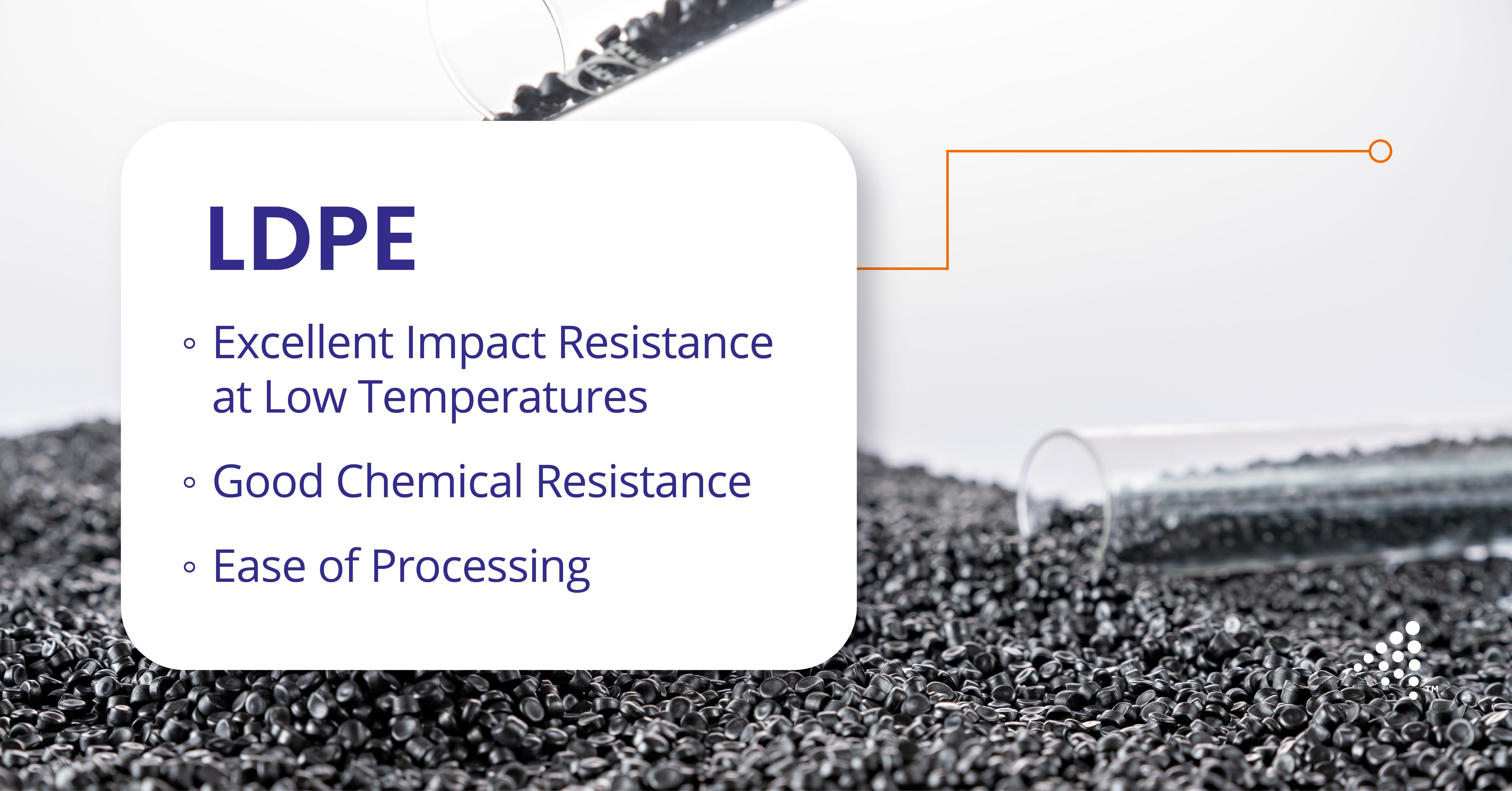
Understanding the Versatility and Affordability of LDPE

Low-Density Polyethylene (LDPE) is a flexible, cost-effective thermoplastic resin commonly used in a variety of industries. Known for its pliability,...

PC/PBT Resin: High-Strength Plastic for Tough Uses

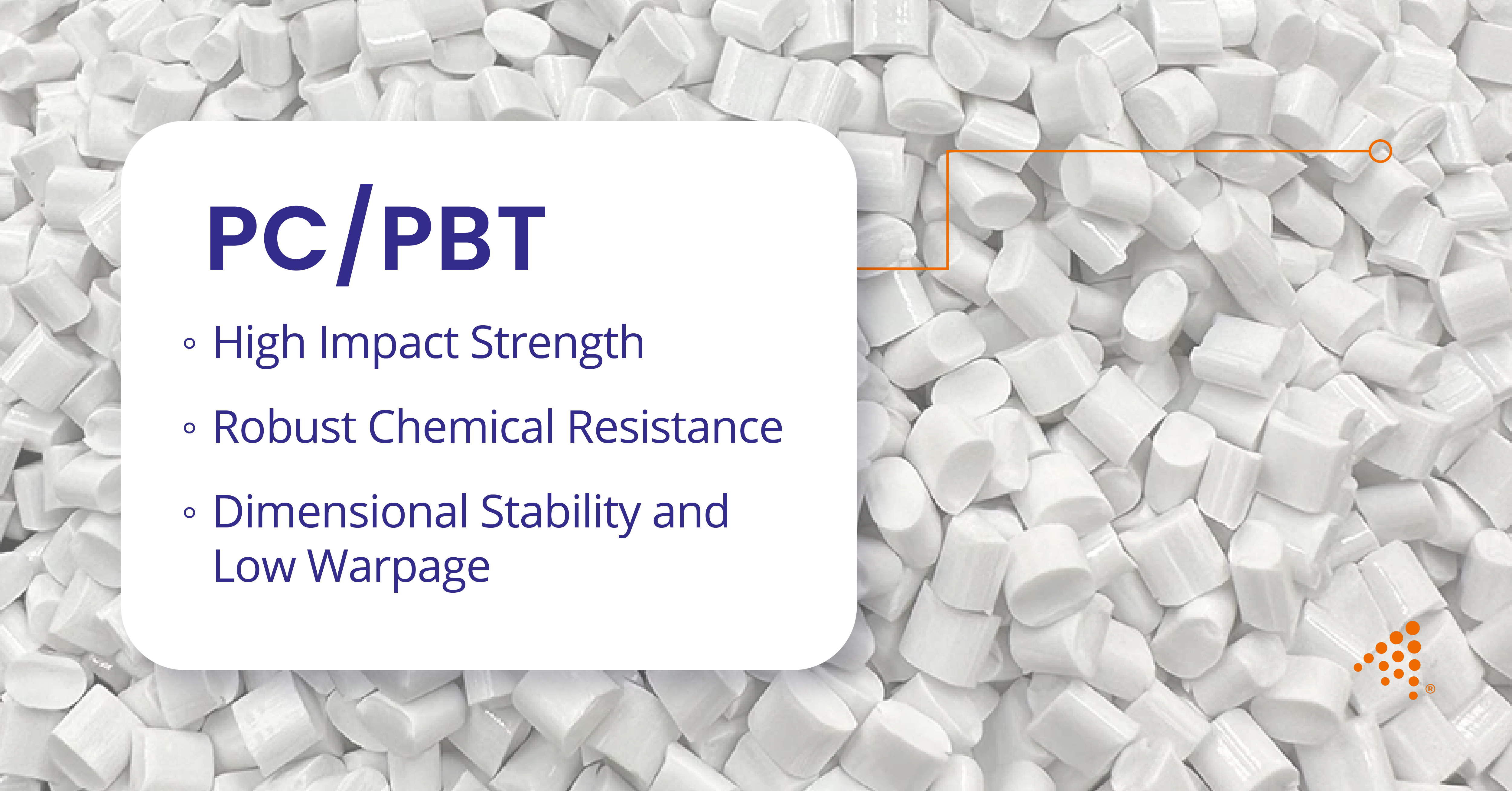
PC/PBT Resin: High-Strength Plastic for Tough Uses

Polymer blends offer a customized set of properties by combining the best attributes of different resins. One of the most effective and versatile of...