Rapid Prototyping for Medical Devices: Accelerate Innovation and Reduce Risk
Master the process of rapid prototyping for medical devices in regulated industries.
1 min read
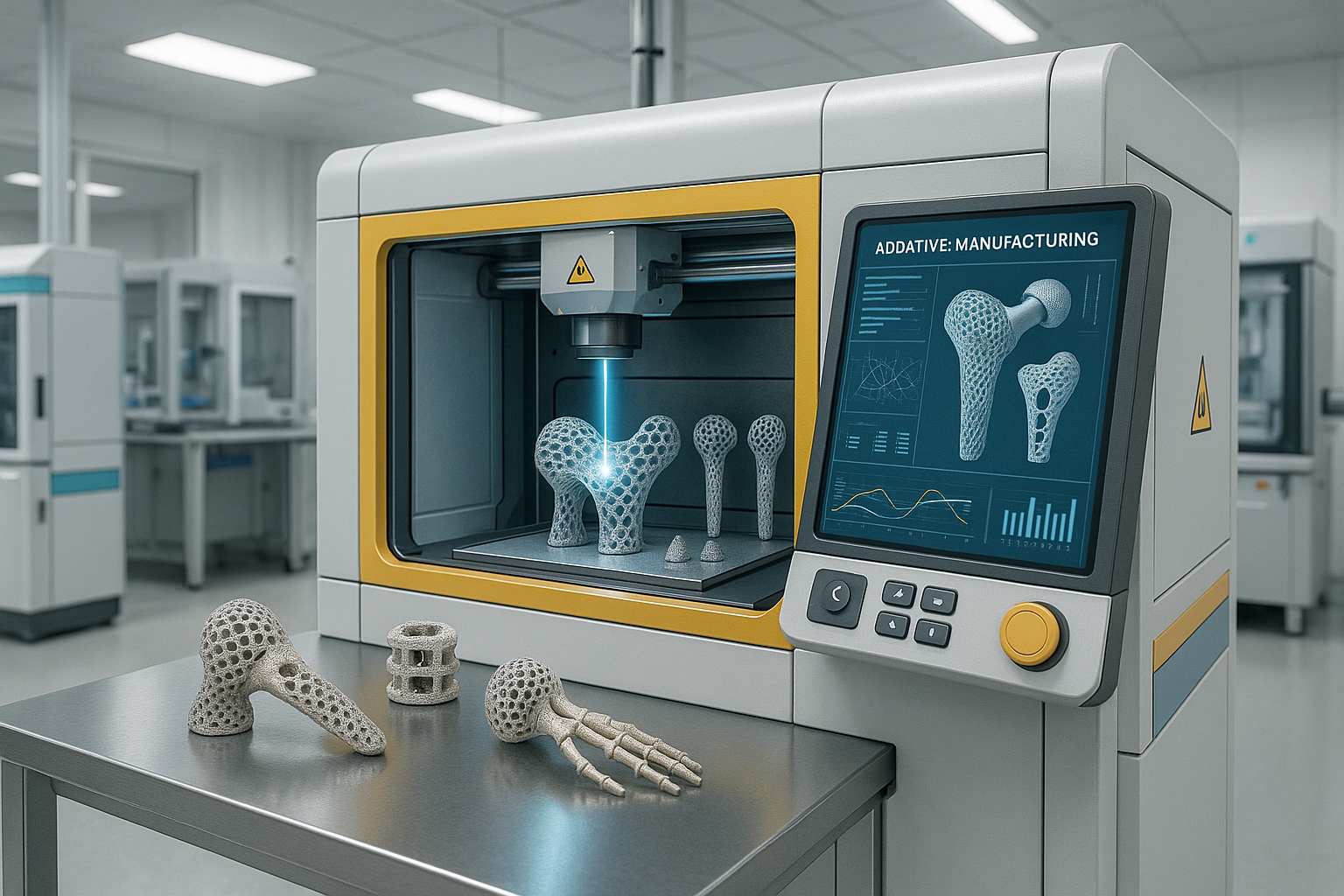
Discover best practices for additive manufacturing in medical device innovation.
Additive manufacturing technologies such as 3D printing are reshaping the medical device industry by accelerating design, reducing costs, and enabling previously impossible functionalities. Unlike conventional methods that require up-front investment in tooling and iterative part reworking, additive manufacturing empowers R&D teams to quickly move from concept to functional prototypes, facilitating testing, clinical feedback, and refined performance for end-use components. Leading techniques like Carbon DLS, available at Aprios Custom MFG, enable rapid prototyping of medical-grade polymers, high-resolution lattice features, and isotropic end-use parts—all with exceptional consistency. The digital-first approach reduces time to market, bridges the gap to full-scale production, and offers superior flexibility in meeting complex regulatory and clinical needs. For in-depth process insights, visit MasterControl’s AM guide. Deeper technical best practices appear in this article.
Additive manufacturing brings game-changing flexibility to device prototyping and development. By leveraging processes like Carbon DLS, companies can iterate rapidly on new medical devices—including complex lattices and custom geometries impossible (or cost-prohibitive) by traditional methods. Rapid on-demand production enables risk-free design testing and quick product validation, while customization capabilities let suppliers address highly-specialized patient or clinical needs. Workflows optimized for medical innovation start with digital CAD integration, then progress through fast prototyping and in situ manufacturability checks. With integrated feedback from both engineering and regulatory teams, production cycles are compressed and transfer seamlessly to validated runs or bridge tooling. For more on digital workflows, see this overview and Formlabs' guide.
Emerging trends in additive manufacturing are redefining the future of medical device engineering. Increasing focus is placed on biocompatible materials, digital inventory strategies (where device files are securely managed until on-demand production), and regulatory changes that recognize 3D printing’s clinical value. FDA and ISO guidance now offer frameworks for safe and compliant use of additive in medical settings. In this dynamic landscape, manufacturers benefit from keeping pace with advances in printing hardware, bioresins, and digital design management. Partnering with expertise-rich suppliers like Aprios Custom MFG is crucial for translating innovation into safe, validated, and scalable products. Explore regulatory perspectives in this FDA resource and see a practical digital workflow breakdown in Spatial’s industry blog.

Master the process of rapid prototyping for medical devices in regulated industries.
In the rapidly evolving landscape of product development, the ability to quickly and accurately create physical prototypes is a cornerstone of...

In the modern product development landscape, speed and agility are not just advantages; they are necessities. The ability to quickly move from a...