Additive Manufacturing in Medtech: From Prototyping to Production
Discover best practices for additive manufacturing in medical device innovation.
1 min read
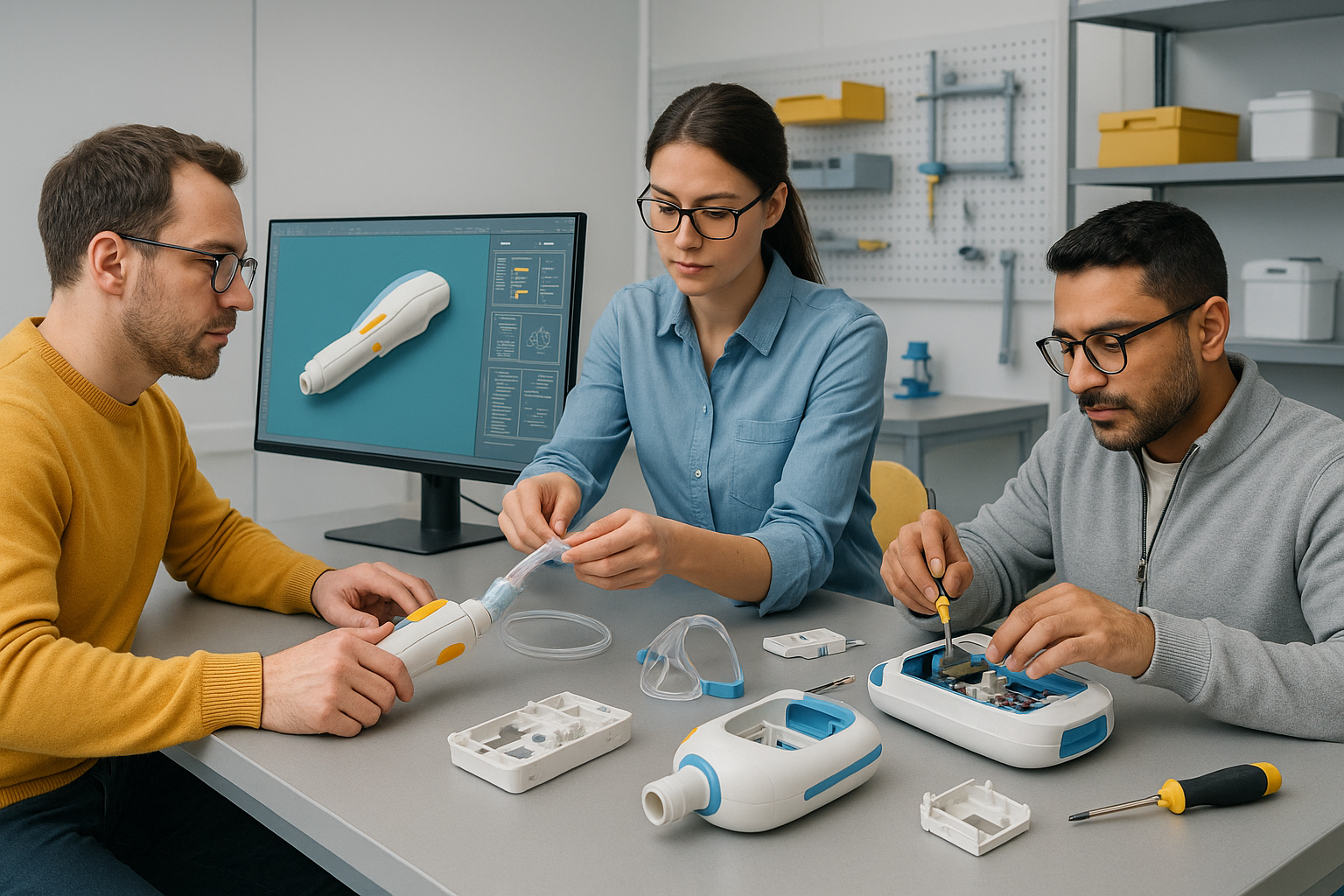
Master the process of rapid prototyping for medical devices in regulated industries.
Rapid prototyping is crucial to innovative device development, helping reduce risk and costs while improving end-product performance. In medical R&D, the ability to quickly translate concepts into tangible prototypes means design teams can validate usability and compliance early, then make adjustments long before regulatory submission or large-scale investment. Aprios Custom MFG delivers prototype-to-production support leveraging additive manufacturing, quick-turn tooling, and advanced simulation. Teams benefit from continuum support, robust DfM analysis, and collaborative engineering input at every stage. Culturally, this approach builds a knowledge-rich partnership and supports multi-disciplinary testing opportunities—from mechanical properties to clinical fit. Discover how to structure the process from concept through pilot in this Cambridge DT resource and explore prototyping advances in this StudioRed article.
Modern prototyping leverages a combination of additive manufacturing, quick-turn tooling, and digital simulation, providing medical device engineers with a powerful toolkit for iterative product development. Simulation and digital twin models give critical insights into product feasibility and optimize designs before the first prototype is built. Rapid tools like Carbon DLS additive manufacturing allow for functional, biocompatible test parts within days, while quick-turn injection molding bridges the gap between prototypes and regulatory submissions. A robust iterative process—combining DfM feedback, cross-disciplinary collaboration, and clinical usability testing—ensures prototypes meet clinical, usability, and regulatory needs before volume scaling. Learn more about the prototyping process at this industry guide and the importance of feedback stages from Escatec’s resource.
Transitioning from prototype to production in medical device manufacturing demands rigorous control over design changes, material selection, and process validation. Regulated industries require documentation and traceability at every prototype phase, ideally through ISO 13485-compliant quality systems and transparent design history files. Risk management activities must document all changes and their rationales, linking clinical findings to engineering changes and process adjustments. Partnering with an experienced vendor such as Aprios Custom MFG, with well-established protocols for protecting intellectual property and managing regulatory hand-offs, reduces error and time-to-market. Detailed risk frameworks, agile project management, and thorough communication between design, quality, and production teams are key to success. Comprehensive case studies and real-world examples can be found at Seisa’s overview.
Discover best practices for additive manufacturing in medical device innovation.
The journey from a digital concept to a physical, high-quality plastic part is intricate, with one of the most pivotal stages being the tool design...
In the modern product development landscape, speed and agility are not just advantages; they are necessities. The ability to quickly move from a...