2 min read

Mastering Injection Molding: Key Variables for Consistent Quality

Mastering Injection Molding: Key Variables for Consistent Quality

Understanding the Key Variables in Injection Molding

Injection molding may seem simple at first. Plastic is melted, pushed into a mold, cooled, and turned into a finished part.

But behind this process is a complex system involving materials, molds, and machines.

For engineers, the key to consistent, high-quality parts is understanding the variables that control how plastic behaves inside the mold.

Scientific injection molding focuses on identifying and controlling these variables. Instead of using trial and error, engineers use data to create a stable process that works over long production runs.

At the center of this approach are four main variables:

  • temperature
  • pressure
  • flow rate
  • cooling

These variables all affect each other, so they must be managed together.


Temperature: Controlling How Plastic Flows

Temperature is one of the most important factors because it affects how easily the plastic flows.

When plastic is heated, it turns into a thick liquid. The hotter it is, the easier it flows.

If the temperature is too low:

  • the mold may not fill completely
  • short shots can happen
  • internal stress can increase

If the temperature is too high:

  • the material can break down
  • parts may lose their shape
  • defects like flash can appear

Mold temperature also matters. It affects how quickly the plastic cools and can impact:

  • surface finish
  • shrinkage
  • cycle time

Scientific molding controls temperature carefully to keep the process stable.


Pressure: Filling and Packing the Mold

Pressure pushes the melted plastic into the mold.

After the mold is filled, pressure is still applied to pack the material as it cools. This helps make up for shrinkage.

Good pressure control helps parts meet their target:

  • size
  • density
  • surface quality

If pressure is too low:

  • parts may not fill completely
  • sink marks can form
  • air pockets may appear

If pressure is too high:

  • flash can occur
  • internal stress increases
  • molds can wear out faster

Scientific molding looks at how pressure works with other variables to find the right balance.


Flow Rate: How Fast the Mold Fills

Flow rate is how quickly the plastic enters the mold.

This affects how the material spreads and how its structure forms inside the part.

If the flow is too slow:

  • the plastic may cool before filling the mold
  • weld lines may be more visible
  • surface quality can drop

If the flow is too fast:

  • stress on the material increases
  • the material may degrade
  • internal stress can build up

Engineers often control flow by managing fill time and injection speed to keep things consistent.


Cooling: Solidifying the Part

Cooling is the final step in the process. It allows the plastic to harden before the part is removed.

Cooling affects:

  • shrinkage
  • part size and shape
  • cycle time
  • warping

Uneven cooling can cause parts to bend or twist. This happens when different areas cool at different speeds.

Good mold design helps keep cooling even across the part, improving quality and consistency.


Why These Variables Must Work Together

Even though these variables are listed separately, they are closely connected.

For example:

  • higher temperature can make the material flow faster
  • faster flow can change the pressure needed
  • pressure changes can affect shrinkage
  • cooling affects how the material responds to pressure

Because of this, changing one setting can affect the entire process.

Scientific molding focuses on controlling all variables together, not one at a time.


The Role of Process Windows

A key goal of scientific molding is creating a process window.

A process window is a safe range where the process works well and produces good parts.

This usually includes limits for:

  • melt temperature
  • mold temperature
  • injection speed
  • pack pressure
  • cooling time

Staying within this range helps keep production stable, even when small changes happen.


Why This Matters for Engineers

For engineers, controlling these variables is critical.

If the process is not well controlled, it can lead to:

  • parts that vary in size
  • surface defects
  • unstable cycle times
  • high scrap rates

By understanding how these variables work together, engineers can build processes that stay stable over time.


Building a Stable Molding Process

Injection molding will always involve complex interactions between materials, machines, and molds.

Scientific molding helps manage this complexity by focusing on the key variables that control the process.

By controlling temperature, pressure, flow rate, and cooling—and understanding how they interact—manufacturers can produce parts that are consistent and reliable.

For companies that depend on injection molded parts, mastering these variables is essential for long-term success.

Managing Residence Time for Optimal Material Quality in Injection Molding

Managing Residence Time for Optimal Material Quality in Injection Molding

How time in the barrel affects material integrity and process stability What Residence Time Means Residence time is how long material stays inside...
Injection Molding Pressure Explained: How It Affects Part Quality

Injection Molding Pressure Explained: How It Affects Part Quality

In injection molding, pressure is what moves the plastic through the mold.
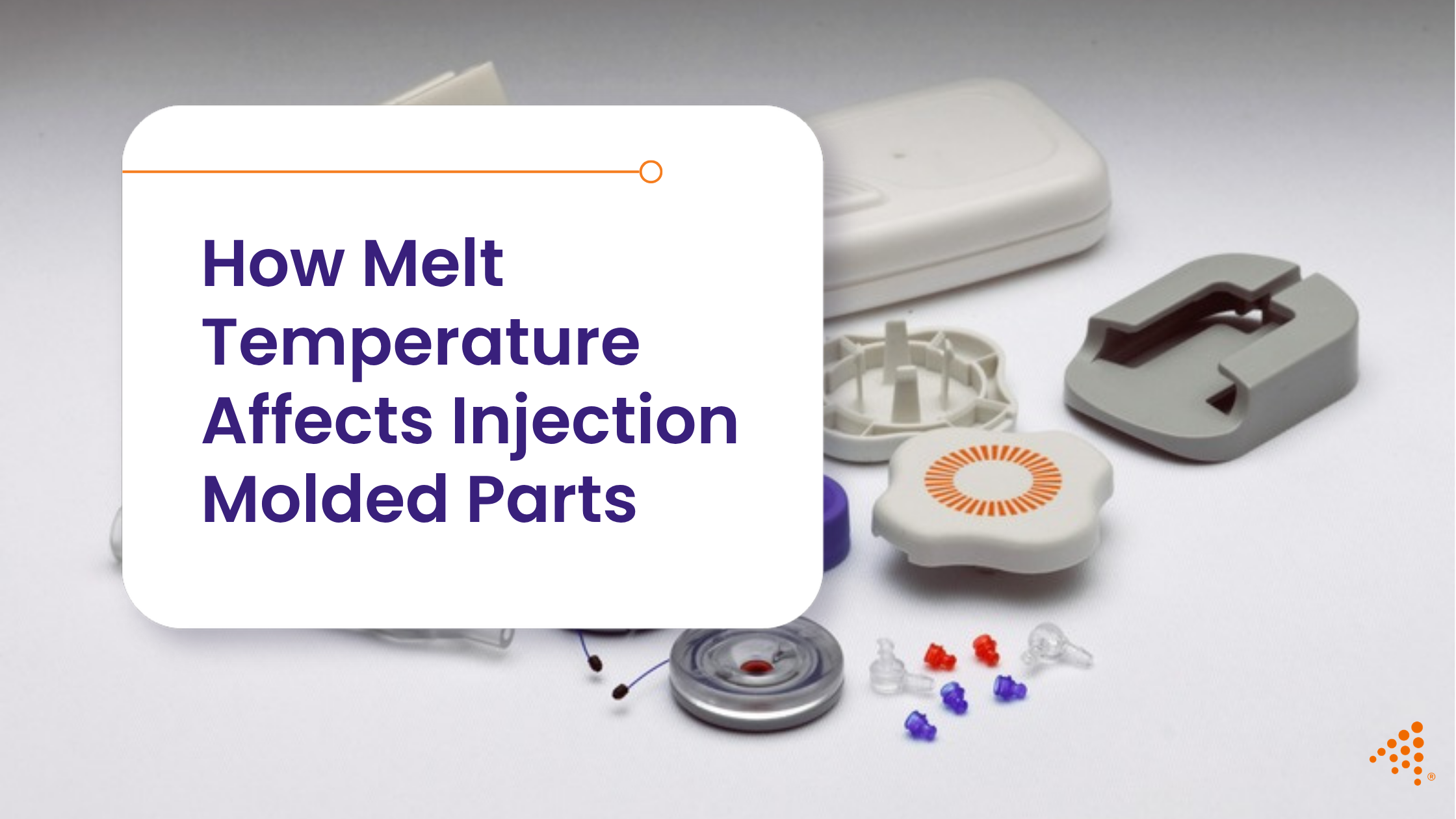
How Melt Temperature Affects Injection Molded Parts

How Melt Temperature Affects Injection Molded Parts

In injection molding, temperature is one of the most important variables to control.