Mastering Variation and Process Control in Injection Molding
Variation in injection molding is the gap between what a process intends and what actually happens. It cannot be eliminated, but it can be defined,...
2 min read
Residence time is how long material stays inside the heated barrel before it’s injected into the mold.
It depends on the relationship between how much material the barrel holds and how much is used each cycle. If that time stretches too long, the material is exposed to heat longer than intended.
Polymers are sensitive to heat over time, not just temperature.
As residence time increases, molecular chains begin to break down. This lowers viscosity, weakens mechanical properties, and can introduce visual defects like discoloration or streaking.
You end up with material that behaves differently even though machine settings haven’t changed.
Several factors can extend how long material sits in the barrel.
Oversized machines relative to shot size leave more material idle between cycles. Longer cooling times increase exposure. Delays in screw recovery or interruptions during production also add time under heat.
Higher melt temperatures accelerate degradation, making time even more critical.
Residence time can be approximated using the relationship between barrel volume and material throughput.
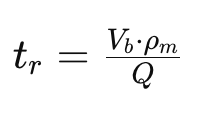
This gives a practical estimate of how long material remains in the barrel before being replaced.
Degraded material shows up in both appearance and performance.
Dark streaks or discoloration often indicate oxidation. Odor or fumes at the nozzle suggest breakdown of the polymer. Inconsistent part weight can point to changing viscosity. Charred particles or gels signal advanced degradation.
These issues often appear gradually, making them easy to overlook without monitoring.
Keeping residence time within a controlled range maintains material stability.
Using the correct machine size ensures the barrel is neither too full nor too empty. Minimizing delays during production reduces unnecessary heat exposure. Proper purging removes material that has been sitting too long.
Temperature control also plays a role. Running hotter than necessary accelerates degradation even within acceptable time limits.
Not all materials respond the same way.
Some polymers tolerate longer exposure, while others degrade quickly. Heat-sensitive materials require tighter control over both time and temperature to prevent rapid breakdown.
This means acceptable residence time must be defined per material, not assumed.
Changes in residence time affect how the material flows and packs.
As viscosity drops, pressure behavior shifts, which can lead to flash, burns, or dimensional variation. Maintaining consistent residence time keeps melt behavior stable from cycle to cycle.
Residence time is treated as a controlled parameter, not a side effect of machine setup.
It is measured during validation, documented for each material, and monitored during production. Systems track idle time and prompt purging when limits are exceeded.
That control keeps material properties consistent, supporting stable processing and predictable part performance.

Variation in injection molding is the gap between what a process intends and what actually happens. It cannot be eliminated, but it can be defined,...
Matching machine capability to process requirements for consistent results Why Machine Selection Affects Everything A molding process is only as...

Understanding the Key Variables in Injection Molding Injection molding may seem simple at first. Plastic is melted, pushed into a mold, cooled, and...